


Morocco Currency: Essential Money Tips for Tourists
Morocco is a country where ancient traditions blend seamlessly with modern luxury. From the lively souks of Marrakech to the breathtaking landscapes of the Sahara Desert, it offers a rich cultural experience for travelers. However, navigating the local currency can be confusing for first-time visitors. Understanding how to exchange money, use ATMs, and make secure payments will help you enjoy your trip without financial stress. This guide provides everything you need to know about Morocco currency, ensuring that you get the best exchange rates, avoid unnecessary fees, and manage your money wisely while exploring this fascinating destination. Want priority assistance? Message us on WhatsApp, and we’ll help you right away!1. What is Morocco Currency?
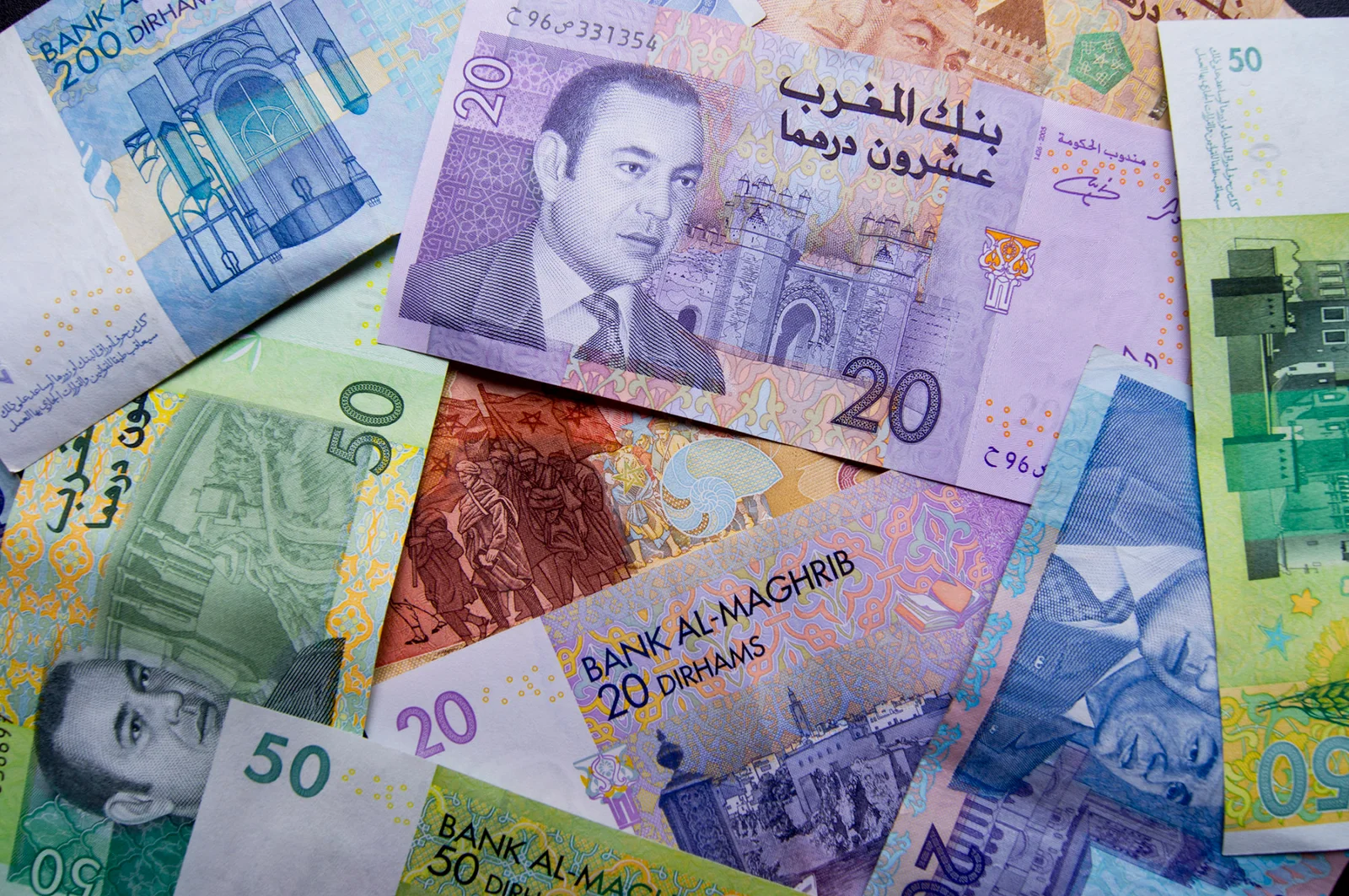
The official currency of Morocco is the Moroccan Dirham (MAD), commonly abbreviated as DH or Dhs. It is a closed currency, meaning it cannot be exchanged freely outside of Morocco. Travelers must exchange their money upon arrival.Current Exchange Rates (Approximate)
- 1 USD ≈ 10 MAD
- 1 EUR ≈ 11 MAD
- 1 GBP ≈ 13 MAD
2. Where and How to Exchange Money in Morocco
Since Moroccan dirhams are not available outside the country, you’ll need to exchange your money upon arrival.Best Places to Exchange Money
- Official Exchange Offices (Bureau de Change) – These provide the best exchange rates with low commission fees.
- Banks – Secure and reliable, though some may charge transaction fees.
- ATMs – Convenient, but your bank may charge international withdrawal fees.
- Airport Exchange Counters – Useful for quick cash upon arrival, though rates may not be the best.
Places to Avoid
- Street Money Changers – Unofficial exchange can lead to scams or counterfeit bills.
- Hotels – Rates are often higher than official exchange offices.
3. Should You Carry Cash or Use a Card?
Morocco remains a cash-centric country, especially in smaller towns, markets, and traditional cafés. However, credit and debit cards are widely accepted in luxury hotels, fine dining restaurants, and international shops.Best Payment Strategy
- Carry enough cash for small expenses, such as taxis, tipping, and shopping in local markets.
- Use credit/debit cards for major purchases, hotel stays, and high-end restaurants.
- Withdraw cash from bank ATMs rather than carrying large sums of foreign currency.
Card Acceptance in Morocco
- Visa & Mastercard – Widely accepted.
- American Express – Limited acceptance, mainly in upscale locations.
- Discover & Other Cards – Rarely accepted.
4. ATM Withdrawals: What You Need to Know
ATMs are widely available in Moroccan cities, airports, and tourist areas. However, there are some key considerations when using them.ATM Tips for Tourists
- Use bank-affiliated ATMs to avoid high withdrawal fees and security risks.
- Withdraw larger amounts at once to minimize international transaction fees.
- Check your bank’s foreign transaction fees before your trip.
- Be cautious of ATM skimming; always cover the keypad while entering your PIN.
- Attijariwafa Bank
- BMCE Bank
- Banque Populaire
- Crédit Agricole du Maroc
5. How Much Cash Should You Carry Daily?
The amount of cash you carry depends on your spending habits. For high-end travelers staying in luxury accommodations, cards will cover most expenses, but cash is still essential for daily transactions.Average Daily Costs in Morocco (in MAD)
- Local meals: 50 - 150 MAD
- Fine dining: 250 - 800 MAD
- Taxi rides: 20 - 100 MAD
- Tourist attractions: 50 - 200 MAD
- Shopping and souvenirs: 100 - 500+ MAD
6. Tipping Etiquette in Morocco
While tipping is not mandatory, it is a common and appreciated practice, particularly in the service industry.Who to Tip and How Much?
- Restaurants – 5-10% of the bill (higher in upscale restaurants).
- Taxis – Round up the fare (e.g., pay 50 MAD instead of 47).
- Hotel staff – 10-20 MAD for porters, 50 MAD for excellent service.
- Tour guides – 50-100 MAD for private tours, depending on service quality.
7. Avoiding Currency Scams and Money Issues
While Morocco is generally safe, tourists should be aware of some common financial scams.Common Money-Related Scams
- Counterfeit Banknotes – Always check security features on bills before accepting change.
- Taxi Overcharging – Insist on using the meter or agree on a price before getting in.
- Fake “Tourist Helpers” – Some locals may offer assistance and then demand a tip.
- ATM Skimming – Use machines inside banks for added security.
8. Morocco Currency: Can You Use Foreign Currency in Morocco?
The Moroccan dirham is the only officially accepted currency, but in some tourist-heavy areas, vendors may accept euros or US dollars. However, these transactions usually come with poor exchange rates. Best Practice: Always use dirhams to ensure fair pricing and avoid unnecessary markups.9. Morocco Currency: Can You Take Moroccan Dirhams Out of the Country?
The Moroccan dirham is a closed currency, meaning it cannot be exchanged outside Morocco. Before leaving, exchange any remaining cash at an airport exchange office or spend it on last-minute souvenirs. If you have excess dirhams, luxury airport lounges and duty-free shops accept card payments, so you can reserve your cash for small purchases.10. Final Money Tips for a Smooth Trip
- Download a currency conversion app to check exchange rates in real-time.
- Use a travel-friendly credit card that waives foreign transaction fees.
- Break large bills when making purchases at restaurants or hotels.
- Keep cash in multiple places for safety in case of loss or theft.
- Stay informed about local money practices and avoid unnecessary fees.